
Key Takeaways
• Most cheek fillers side effects are mild and temporary, like swelling and bruising.
• Some dermal fillers side effects can last longer, including lumps or prolonged swelling.
• Rare risks like vascular occlusion fillers require immediate medical attention.
• Choosing a qualified provider and following aftercare reduces complications significantly.
What Are Cheek Fillers?
Cheek fillers are everywhere right now, but many people still ask the same thing: what are the risks, and what should you expect from cheek fillers side effects?
Think of these as injectable dermal fillers meant to put some volume back into your face. Most of them are actually hyaluronic acid fillers, which is just a fancy way of saying they use a substance your body already makes to keep your skin hydrated.
Doctors use these to:
• Bring back volume that aging took away
• Make those cheekbones pop
• Balance out how your face looks
It is a solid non-surgical way to look refreshed, but let’s be real, any needle carries a risk. Getting a handle on the side effects is how you make a smart, safe choice.
Why People Get Cheek Fillers
People do not just get fillers for one single reason. Usually, it is a mix of different concerns such as:
• Losing volume in the mid-face as you get older
• Having cheeks that look flat or lack definition
• Dealing with sagging skin around the cheek area
• Wanting a much better overall facial contour
Cheek fillers act as a non-surgical solution. They lift and support the mid-face, so the overall appearance looks more youthful.
But while the results can look natural, the process still involves injections. That means dermal filler safety depends on technique, product choice, and patient factors.
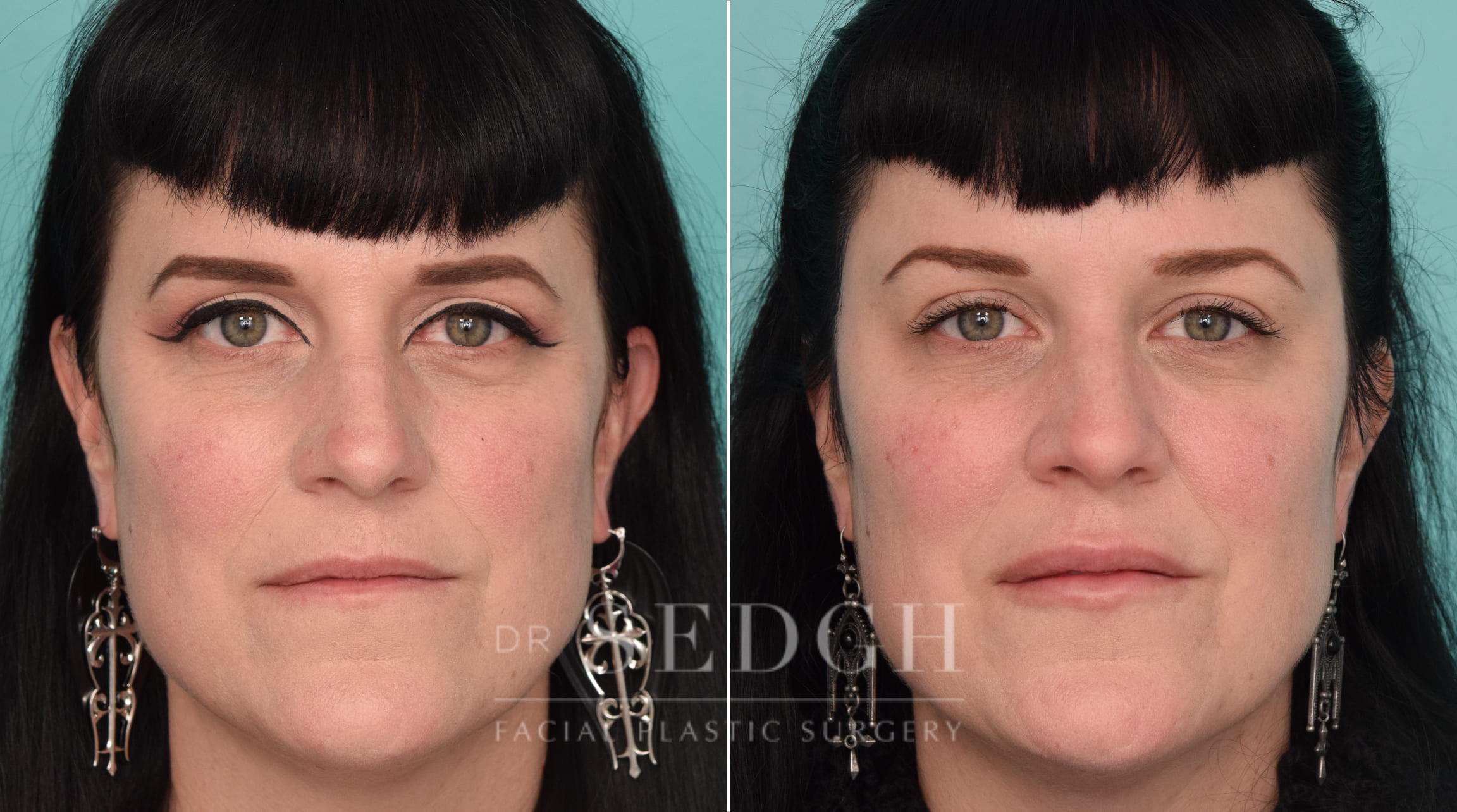
Where Are Cheek Fillers Injected?
Precision is everything with these treatments. Providers don’t inject randomly. They target specific areas of the cheek for structure and balance.
Common injection points include:
• Mid-cheek (malar area)
• Cheekbone
• Lateral cheek
Each area serves a purpose. Some add volume, while others enhance contour. Improper technique or placement can increase the risk of cheek filler complications like uneven results or filler lumps.
Common Cheek Fillers Side Effects
Side effects are expected and usually temporary. Common cheek fillers side effects include:
• Swelling, or what we call filler swelling
• Filler bruising where the needle went in
• Redness
• General tenderness
• Mild pain at the injection site
• Temporary asymmetry
These happen because your skin is reacting to being poked and filled. According to the U.S. FDA, having some temporary swelling and bruising is just the most common way your body responds to dermal fillers.
How to Reduce Swelling
You can manage these effects with simple steps:
✔ Use ice packs for short bursts of time
✔ Avoid alcohol before and after treatment
✔ Sleep with your head elevated
✔ Stick strictly to your cheek filler aftercare plan
Most of these symptoms improve within a few days.
Reduce Swelling
Want to reduce swelling?
Pineapple is a great way to do so!Less Common Side Effects of Cheek Fillers
Some dermal fillers side effects don’t happen often, but they can last longer and may require follow-up treatment.
| Side Effect | What It Looks Like | Why It Happens |
|---|---|---|
| Filler lumps | Small bumps under the skin | Uneven product placement or swelling shifting the filler |
| Prolonged swelling | Swelling lasting beyond 1–2 weeks | Individual healing response or deeper injection |
| Skin discoloration | Darkening or uneven skin tone | Bruising, inflammation, or minor vascular disruption |
| Delayed inflammatory reactions | Swelling or redness weeks after treatment | Body reacting to the filler material over time |
Many of these can be managed with follow-up care. But they often depend on technique, product choice, and how your body responds to the filler.
Rare but Serious Risks
Now let’s talk about the risks people worry about most. These are rare, but you need to recognize them.
Serious cheek filler risks include:
• Filler infection
• Allergic reactions
• Vascular occlusion fillers (blocked blood vessel)
• Skin tissue damage
• Vision problems (extremely rare)
The most critical one is vascular occlusion. This happens when filler blocks a blood vessel. The FDA warns that this can lead to tissue damage or even vision loss if not treated immediately.
This is why dermal filler safety depends on proper training and deep knowledge of facial anatomy.
How Long Do Cheek Filler Side Effects Last?
Most side effects follow a predictable timeline, especially when proper technique and aftercare are followed.
| Timeframe | What to Expect |
|---|---|
| First 24–48 hours | Swelling, redness, and mild tenderness are most noticeable |
| 3–7 days | Bruising and filler swelling begin to improve |
| 1–2 weeks | Most visible side effects resolve |
| Beyond 2 weeks | Persistent swelling or lumps may need evaluation |
While side effects are temporary, the results of hyaluronic acid fillers typically last 12 to 24 months, depending on the product and individual metabolism.
How to Reduce the Risk of Side Effects
You cannot eliminate every single risk, but you can definitely reduce them. Here’s how:
✔ Pick a provider who is qualified and actually has experience.
✔ Stay away from blood thinning medications before your treatment.
✔ Do not drink alcohol before your injections.
✔ Follow every single aftercare instruction carefully.
✔ Avoid any intense exercise right after your treatment.
Having a provider with good technique matters. However, what you do both before and after the treatment plays a massive role in preventing cheek filler complications.
Cheek Filler Aftercare Tips
Simple habits make a difference:
✔ Use ice to help bring down any swelling.
✔ Avoid touching or massaging the area
✔ Sleep with your head propped up and elevated.
✔ Avoid strenuous activity for 24 hours
✔ Stay away from heat like saunas or hot yoga
Taking these specific steps helps minimize filler swelling and gets your recovery moving faster.
When to Seek Medical Help
Most side effects are mild. But some symptoms need immediate attention.
Watch for:
• Severe or increasing pain
• Skin turning white, blue, or blotchy
• Vision changes
• Persistent or worsening swelling
These may signal serious complications like vascular occlusion or infection. Acting quickly can prevent long-term damage.
Conclusion
Cheek fillers are popular for a reason, they work to balance your face and bring back lost volume. But if you want to be smart about it, you have to understand cheek fillers side effects just as much as you focus on the perks.
Most of the time, these side effects are just a minor and temporary annoyance. However, rare complications can pop up, especially if the person holding the needle does the job incorrectly. This is why who you choose to do the work matters more than just finding a bargain.
The fix is actually pretty simple. You need to find a provider who knows their stuff, stick to your cheek filler aftercare, and keep yourself informed. That is the real secret to getting results that look natural while staying safe.
Frequently Asked Questions
Swelling, bruising, redness, and tenderness are the most common.
Swelling often starts improving within a few days.
Yes, when performed by trained professionals using approved products.
Rarely, but serious complications like vascular occlusion can cause lasting effects if untreated.
Use ice packs, avoid heat, and follow aftercare instructions.
Concerned about cheek fillers side effects? Schedule a consultation to get expert guidance and safe, natural-looking results.
Posted on behalf of Sedgh Plastic Surgery