

We have all had that moment. You catch your reflection in a store window or glance at yourself during a quick Zoom call, and for a split second, you wonder, “Who is that looking back at me?” You feel vibrant, energetic, and youthful on the inside, but the face in the mirror might be telling a slightly different story—one of exhaustion, gravity, and the relentless passage of time. So you may be wondering what are my Facial Plastic Surgery Options?
When it comes to facial plastic surgery, there is absolutely no one-size-fits-all approach, because no two faces age exactly the same way. The face is a highly complex, interconnected network of muscles, fat pads, skin, and underlying bone. As we get older, we do not just lose skin elasticity due to decreasing collagen and elastin; our facial fat pads actually shrink and slide downward, and even our bone structure subtly recedes over the decades.
Whether you are looking to restore youthful volume that has slipped away, sharpen a jawline that has become obscured by early jowling, or simply look as awake and energized as you actually feel, understanding your surgical and non-surgical options is your very first step.
Here is a comprehensive, plain-English breakdown of the most common facial and neck procedures, what they actually do beneath the surface, and why patients just like you choose them.
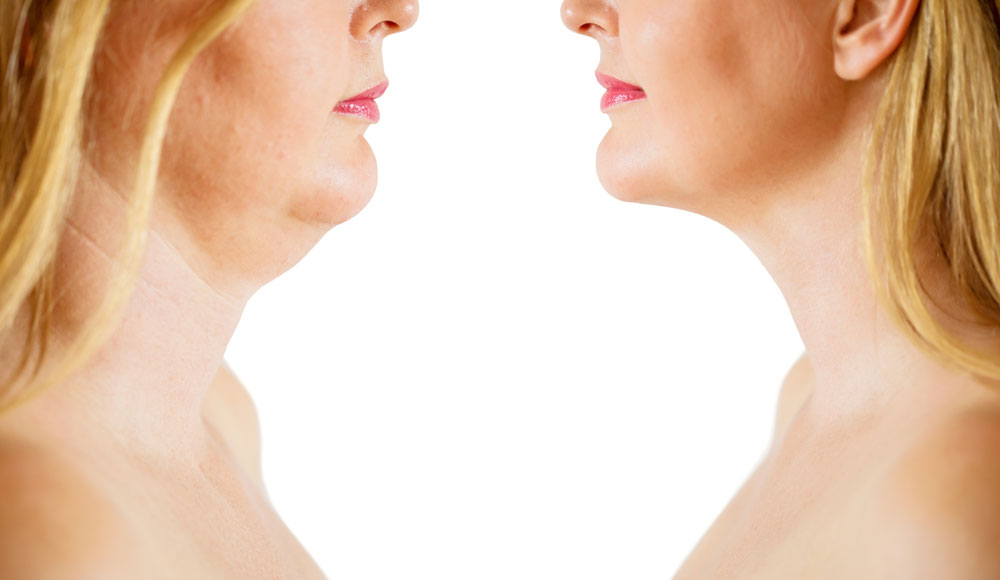
1. Turning Back the Clock: The “Lifts”
When we talk about “lifting” the face, we are generally referring to procedures specifically designed to reposition underlying tissues that have fallen and to remove the excess skin that has been left behind. These surgeries are the gold standard for reversing moderate to severe signs of aging, bringing harmony back to your natural features.
The Traditional Facelift (Rhytidectomy)
- What it does: A modern facelift primarily addresses the lower two-thirds of the face. The best facial plastic surgeons do not just pull the skin tight—doing so results in that unnatural, “windblown” look we all want to avoid. Instead, the surgeon lifts and secures the underlying connective tissue and muscle layer (known as the SMAS). Once the foundation is lifted back to its youthful position, the skin is gently re-draped and the excess is expertly trimmed away.
- Why choose it: You have significant skin laxity, deep nasolabial folds (the “smile lines” running from your nose to your mouth), prominent jowls obscuring your jawline, and deep marionette lines. It offers the most dramatic, comprehensive, and long-lasting facial rejuvenation available.
The Mini Facelift
- What it does: Often referred to as a “short scar” lift, this is a much less invasive version of the traditional facelift. It utilizes shorter incisions, typically hidden exclusively around the ears, to selectively target the lower face and jawline.
- Why choose it: You are typically in your 40s or early 50s experiencing early-to-moderate signs of aging. You might notice the beginnings of jowling and some loose skin, but you do not yet require the extensive tissue repositioning of a full facelift. Patients love this option because it offers a significantly sharper jawline with less downtime.
The Mid-Facelift
- What it does: This procedure targets the “triangle” of the face—the area directly below the eyes down to the upper lip. Over time, the fat pads in our cheeks drop, creating hollows under the eyes and heavy folds around the nose. A mid-facelift elevates these specific fat pads vertically, lifting them back onto the cheekbones where they belong.
- Why choose it: You want to restore beautiful volume to flat, sagging cheeks and soften the deep lines around your nose and mouth, but your jawline and neck remain relatively tight and youthful.
The Neck Lift
- What it does: A neck lift isolates the area below the jaw. It removes excess skin, targets stubborn fatty deposits under the chin, and tightens the platysma (the neck muscles that separate and sag over time, creating vertical bands).
- Why choose it: Your face may still look quite youthful, but your neck is betraying your age. You might be struggling with vertical neck banding, a “turkey neck,” or a persistent double chin that does not respond to diet or exercise. (Note: Because the lower face and neck age in tandem, a neck lift is almost always performed simultaneously with a facelift for a seamless result).
2. Contouring & Definition: Sculpting Your Features
Sometimes the goal of cosmetic surgery is not about fighting the aging process at all. Instead, it is about enhancing, refining, or balancing your natural facial structure to achieve a specific, beautifully balanced aesthetic goal.
Buccal Fat Reduction
Deep within the lower cheeks lies the buccal (pronounced “buckle”) fat pad. Buccal fat removal is a specialized procedure that removes a portion of this fat pad from the inside of the mouth to permanently slim the lower face.
- Who it is best for: Patients with naturally “chubby” or overly round lower cheeks who desire a more chiseled, contoured cheekbone look and a highly sculpted jawline. It is incredibly important to have a thorough consultation for this, as removing too much fat in a patient with an already thin face can lead to a prematurely hollowed appearance as they age.
Facial Implants (Chin and Jaw)
Using structurally sound, biocompatible materials, surgeons can permanently build up areas of the face that lack natural projection.
- Who it is best for: Patients who feel their facial features lack structural balance. For example, a “weak” or recessed chin can make a normal-sized nose look overly large, and it can blur the visual distinction between the jaw and the neck. A customized chin implant restores this balance permanently, drastically improving the side profile and giving the entire face a more regal structure.
Facial Fat Transfer
Instead of using synthetic implants or temporary dermal fillers, fat is gently harvested from another area of your own body (like the abdomen or thighs), purified, and meticulously injected into areas of the face that have lost volume.
- Who it is best for: Patients looking for a highly natural, incredibly long-lasting way to restore volume to hollow temples, flat cheeks, or thin lips. Because it utilizes your own living tissue, the rejuvenated results can last for many years, aging gracefully along with you.
3. Opening the Eyes & Brows
We often show our stress, anxiety, and exhaustion in the upper third of our face first. These highly targeted surgical procedures open up the face, removing heavy shadows and making you look remarkably well-rested and alert.
- Eyelid Lift (Blepharoplasty): This elegant procedure can be performed on the upper eyelids, the lower eyelids, or both simultaneously. An upper and lower eyelid surgery removes the excess, drooping skin that heavily hoods the eyes, and repositions the puffy fat bags that create deep, dark under-eye shadows. Choose this if people constantly ask if you are tired, or if sagging upper eyelid skin is actually beginning to physically impair your peripheral vision.
- Brow Lift (Forehead Lift): A brow lift elevates a heavy, dropping brow line and elegantly smooths out deep, horizontal forehead furrows and the “11s” (vertical frown lines) between the eyebrows. Choose this if your eyebrows have lowered over the years, crowding your upper eyelids and giving you a permanently stern, angry, or exhausted expression even when you feel perfectly happy.
4. The Minimally Invasive Bridge
Not everyone is ready for, or necessarily needs, surgical intervention. Medical aesthetics technology has advanced rapidly to provide powerful alternatives that beautifully bridge the gap between simple at-home skincare and invasive surgery.
- FaceTite / NeckTite: These remarkable procedures use focused radiofrequency (RF) energy. A tiny probe is inserted just beneath the skin, gently melting fat while simultaneously applying precise heat to the deep tissues. This causes them to contract and dramatically tighten the skin from the inside out. It is ideal for patients with mild to moderate laxity who want surgical-like tightening without the large incisions or lengthy recovery periods associated with traditional surgery.
- The Liquid Facelift: A purely non-surgical approach that uses a strategic, highly customized combination of dermal fillers (like Juvederm, Restylane, or Sculptra) and neuromodulators (like Botox or Dysport). Fillers act like microscopic architectural support beams to restore lost volume and lift contours, while Botox smooths out dynamic wrinkles caused by muscle movement. While it is temporary (requiring maintenance every 6 to 18 months), it is highly effective for early volume loss and contouring, serving as an excellent “trial run” for surgical results.
How to Choose Your Path
The absolute best, most natural-looking results in plastic surgery come from treating the face holistically. Very often, the secret to an undetectable, “did she or didn’t she?” result is achieved by combining smaller, synergistic procedures—such as pairing a mini facelift with an eyelid lift—rather than over-relying on a single surgery to artificially pull the skin too tight.
The next step on your aesthetic journey should always be a personalized, one-on-one consultation. A board-certified facial plastic surgeon can thoroughly analyze your unique bone structure, assess your skin elasticity, and discuss your aesthetic goals to help you map out the exact right approach for your beautifully unique face.
Frequently Asked Questions (FAQ)
What is the difference between a facelift and a neck lift?
A facelift targets the lower two-thirds of the face (from the cheeks down to the jawline), directly addressing jowling and deep facial folds. A neck lift specifically targets the area below the jaw, addressing sagging skin, vertical muscle banding, and excess fat on the neck. They are almost always performed together for a cohesive, natural result, but they address entirely different anatomical zones.
How long does a traditional facelift actually last?
While absolutely nothing stops the biological clock permanently, a traditional facelift essentially “resets” it. You can generally expect the structural results to last anywhere from 10 to 15 years. You will continue to age naturally from that point forward, but you will technically always look younger than you would have if you had never had the procedure done.
Is buccal fat removal reversible?
No. Once the buccal fat pad is surgically removed from the cheek, it does not grow back. This is exactly why it is crucial to consult with a highly experienced, board-certified facial plastic surgeon who will carefully evaluate your facial structure to ensure the procedure will age beautifully with you over the decades, rather than causing hollows later in life.
Can I get facelift results from just using Botox and Fillers?
Injectables are phenomenal tools for restoring lost volume and smoothing dynamic lines (often called the “Liquid Facelift”), but they physically cannot remove or lift significantly sagging, excess skin. If your primary issue is severe skin laxity and heavy jowling, surgical repositioning is the only scientifically sound way to achieve a truly crisp, lifted, and natural contour.
Posted on behalf of Sedgh Plastic Surgery