
Closed Rhinoplasty in Los Angeles
Home . Rhinoplasty in Los Angeles . Closed Rhinoplasty in Los Angeles
Closed rhinoplasty uses incisions inside the nose to access and reshape nasal structures. It is an approach to rhinoplasty, not a separate guarantee of a smaller operation, faster recovery or a particular result. Suitability depends on your anatomy and the changes being considered.
Dr. Jacob Sedgh evaluates patients in West Hollywood, serving Los Angeles and Hollywood. Compare the rhinoplasty planning options and ask why an open or closed approach is proposed for your case.
For background, read how rhinoplasty works and the ASPS explanation of surgical steps. Request an individual consultation to discuss goals, breathing concerns and the treatment plan.
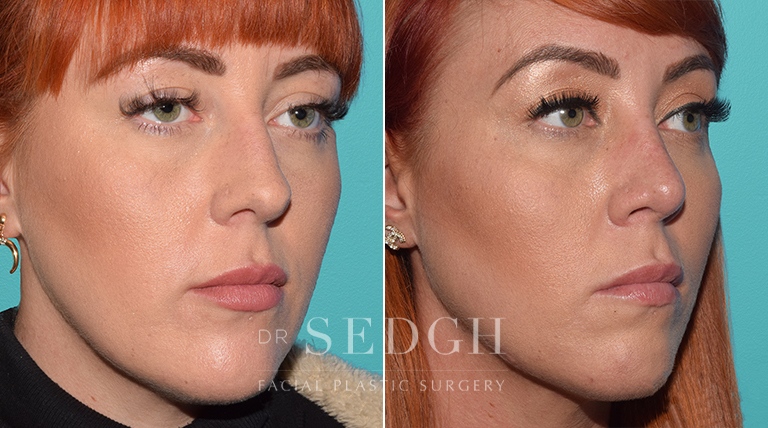
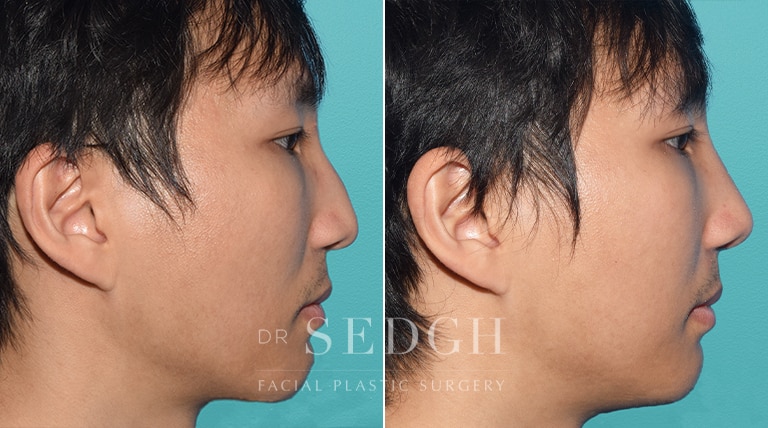
Closed Rhinoplasty: Approach & Incisions
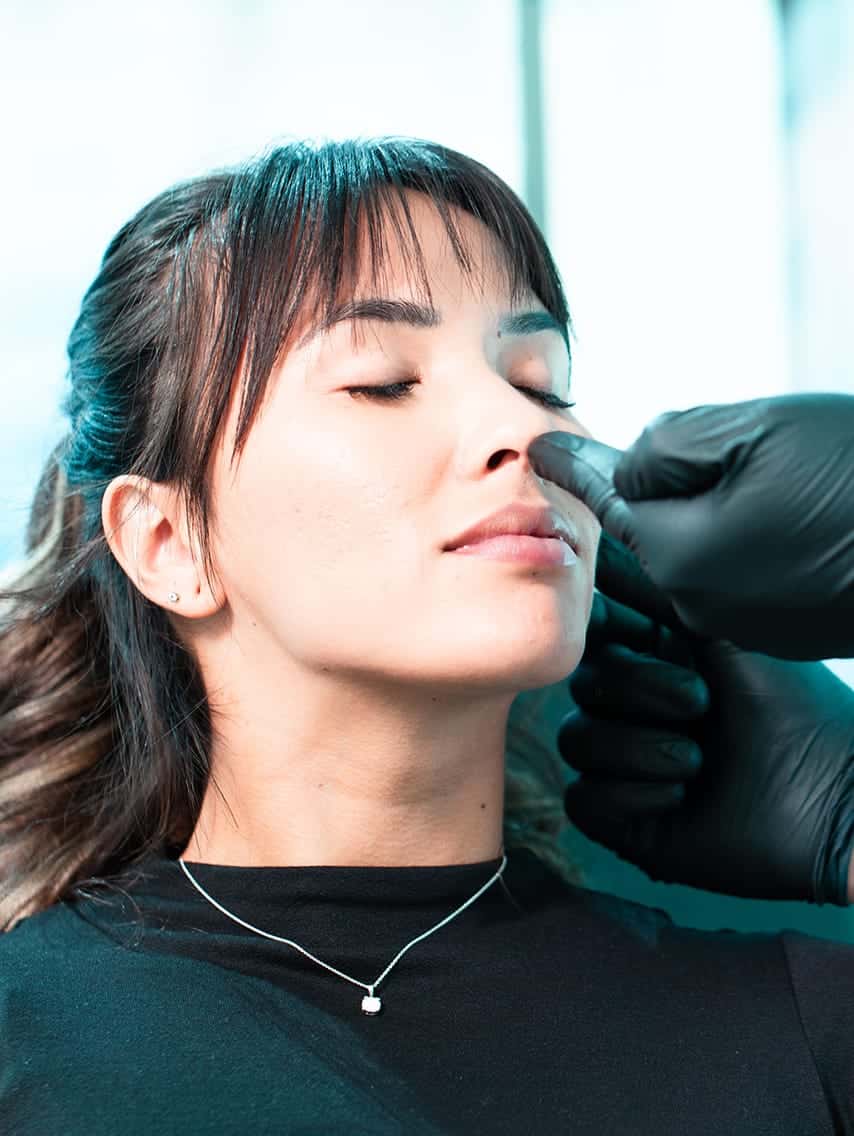
Closed rhinoplasty places access incisions inside the nose. Open rhinoplasty also uses an incision across the tissue between the nostrils. These are surgical approaches, rather than measures of how small an operation will be. Discuss the intended changes, incision locations and scarring risks. The ASPS procedure overview explains the incision distinction.
Related reading: rhinoplasty scars · how rhinoplasty works.

Who is a Candidate for Closed Rhinoplasty?
Candidacy depends on your anatomy and the proposed changes. Bring questions about the bridge, tip, symmetry and any breathing symptoms. Dr. Sedgh can explain which approach offers appropriate access for the plan and why. A closed approach should not be chosen solely because it is marketed as less invasive. The concerns below are starting points for assessment, rather than proof that closed surgery is suitable.
- An enlarged nose structure
- Wide nasal bones
- A droopy nose tip
- An enlarged nose structure
- Wide nasal bones
- A droopy nose tip
Breathing concerns need an assessment of the relevant nasal structures. An internal-incision approach alone does not determine whether airflow will improve. Review functional rhinoplasty and discuss whether your plan needs to address the septum, nasal valves or other causes of obstruction.
Benefits & Limitations
The main distinction is where the access incisions are placed. Compare the approach with your specific treatment goals. Closed surgery does not remove surgical risks or guarantee a shorter recovery. Use these points to guide your conversation about benefits and limitations:
- Internal access incisions
- Approach matched to anatomy
- Individual treatment plan
- Swelling and healing vary
- Recovery planned individually
- Surgical risks still apply
- Discuss shape and contour goals
- Review facial proportions
Ask why an approach is recommended for your nose. The useful comparison is how each option supports the planned changes, rather than which label sounds more appealing. Discuss access, support, incision locations and limits. If you have had prior surgery, review revision rhinoplasty planning as part of the assessment.
Recovery
Recovery follows your individual surgical plan. Swelling changes over time, and the early appearance is not the final result. Ask when you can return to work and exercise, how to care for the surgical sites and when follow-up is scheduled. The ASPS recovery overview explains why refinement continues beyond initial healing.
Recovery reading: facials after rhinoplasty · nasal tip swelling after rhinoplasty.
Recovery follows your individual surgical plan. Swelling changes over time, and the early appearance is not the final result. Ask when you can return to work and exercise, how to care for the surgical sites and when follow-up is scheduled. The ASPS recovery overview explains why refinement continues beyond initial healing.
Choosing A Surgeon for Closed Rhinoplasty in Los Angeles
For closed rhinoplasty in Los Angeles or Hollywood, compare relevant training, patient cases and the explanation of your proposed plan. Dr. Jacob Sedgh is double board-certified in facial plastic and reconstructive surgery and otolaryngology–head and neck surgery.
At the West Hollywood consultation, ask why an approach is recommended, which features will be preserved and what limitations to expect. Request an individual consultation to discuss your goals, options and recovery.
OUR PRACTICE


RECOVERY FROM RHINOPLASTY
Plan your recovery before scheduling surgery. Ask about help at home, time away from work, activity restrictions and follow-up appointments. Your written instructions should explain medications, surgical-site care and which symptoms require contact with the treating team. Follow that plan rather than a generic timeline online.
Rhinoplasty Recovery Planning
- Early healing: Follow your instructions for any dressings or splint.
- Help at home: Arrange transport and support as directed by your surgical team.
- First follow-up: Ask when dressings or stitches need attention.
- Returning to work: Confirm a plan for your job and recovery.
- Ongoing swelling: Early appearance is not the final result.
- Sport and exercise: Get clearance for the activities you plan to resume.
- Progress checks: Discuss healing and any concerns at follow-up.
- Longer-term review: Compare progress with your surgeon; results and timing vary.
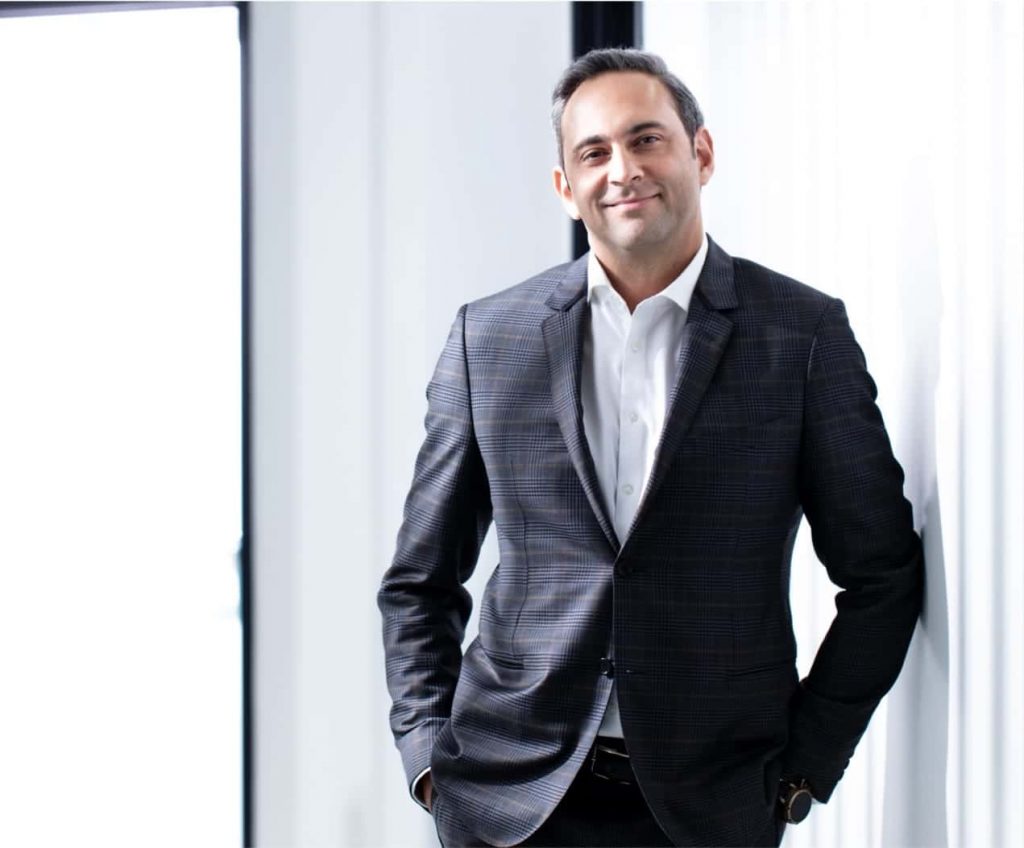
JACOB SEDGH, MD
Dr. Jacob Sedgh is a double board-certified facial plastic surgeon based in West Hollywood, serving Los Angeles and Hollywood. His profile details his training and research. Review relevant patient cases and use your consultation to discuss the proposed changes, alternatives and limits. Individual results and healing vary.
CHOOSING THE RIGHT SURGEON MATTERS
Dr. Sedgh’s board certifications are from the American Board of Facial Plastic and Reconstructive Surgery and the American Board of Otolaryngology–Head and Neck Surgery. His training includes residency at the University of Pittsburgh Medical Center and a facial plastic and reconstructive surgery fellowship at Penn State.
Review his qualifications and research, then ask how the recommended approach relates to your goals. A useful consultation explains the tradeoffs instead of promising a particular outcome.
RISKS OF RHINOPLASTY
Closed rhinoplasty still carries surgical risks. These can include anesthesia complications, infection, scarring, breathing difficulties, an unsatisfactory appearance or a need for revision. This is not a complete list. Review the ASPS risk overview and ask Dr. Sedgh which risks matter for your history and treatment plan.
Frequently Asked Questions
What is the difference between closed and open rhinoplasty?
Closed access incisions are inside the nose. Open surgery adds an incision across the tissue between the nostrils. The approach should fit the intended changes.
Can closed rhinoplasty address a bulbous tip?
Discuss the tip features you want to change. An examination helps Dr. Sedgh assess the options and explain which approach supports the proposed plan.
Does closed rhinoplasty guarantee no visible scars?
No. Internal access incisions do not eliminate scarring or other surgical risks. Ask whether your plan includes any additional incisions.
Is closed rhinoplasty recovery always faster?
No single timeline applies to everyone. Ask for recovery guidance specific to the planned work, your health and your usual activities.
How much does closed rhinoplasty cost in Los Angeles?
Request an itemized estimate for your plan. Compare the surgeon, anesthesia, facility and follow-up components. Read the Los Angeles rhinoplasty cost guide before your consultation.
What should I bring to my consultation?
Bring your goals, questions, health history and any prior nose-surgery records. Review rhinoplasty options and contact the West Hollywood practice to plan your visit.
When under our care, Dr. Sedgh always ensures you feel comfortable, cared for, well-informed about every aspect of your upcoming treatment, whether surgical or non-surgical. With an approach which focuses on achieving refreshed, natural-looking results, Dr. Sedgh prides himself on always acting with transparency, honesty, and the highest level of ethical treatment, from start to finish.